

The Sarnath archaeological site is about 10 km from Varanasi and marks the place where the Buddha preached his first sermon after enlightenment. Its stupas, monastery ruins and museum offer a focused look at the area’s Buddhist history, separate from a day among Varanasi’s ghats.
- Location: Sarnath, about 10 km from Varanasi.
- Excavation-site access: sunrise to sunset.
- Sarnath Museum: 9:00 AM to 5:00 PM; closed on Fridays.
- Archaeological-site tickets have different prices for Indian, SAARC and BIMSTEC visitors and foreign visitors.
Prices and times checked November 2026.
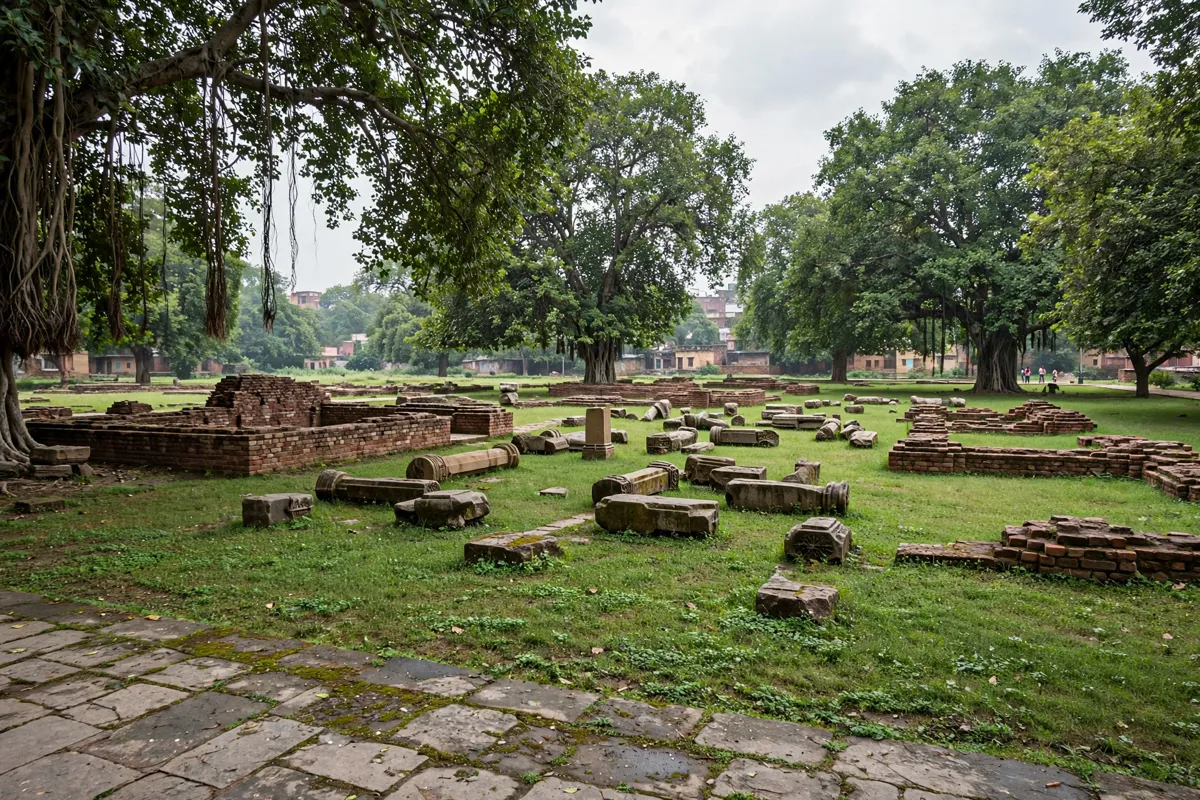
Why Sarnath is a separate visit from the old city
Sarnath is a distinct Buddhist pilgrimage and archaeological destination, rather than another stop among Varanasi’s ghats. It is where the Buddha preached his first sermon after enlightenment; its antiquities span from the time of Ashoka to the 12th century AD.
That history gives the visit a clear focus: archaeological remains first, then the museum and nearby Buddhist temples and monasteries. For a wider city plan, a one-day Varanasi itinerary can help you place Sarnath alongside other parts of the city.
What are the main remains at the Sarnath archaeological site?
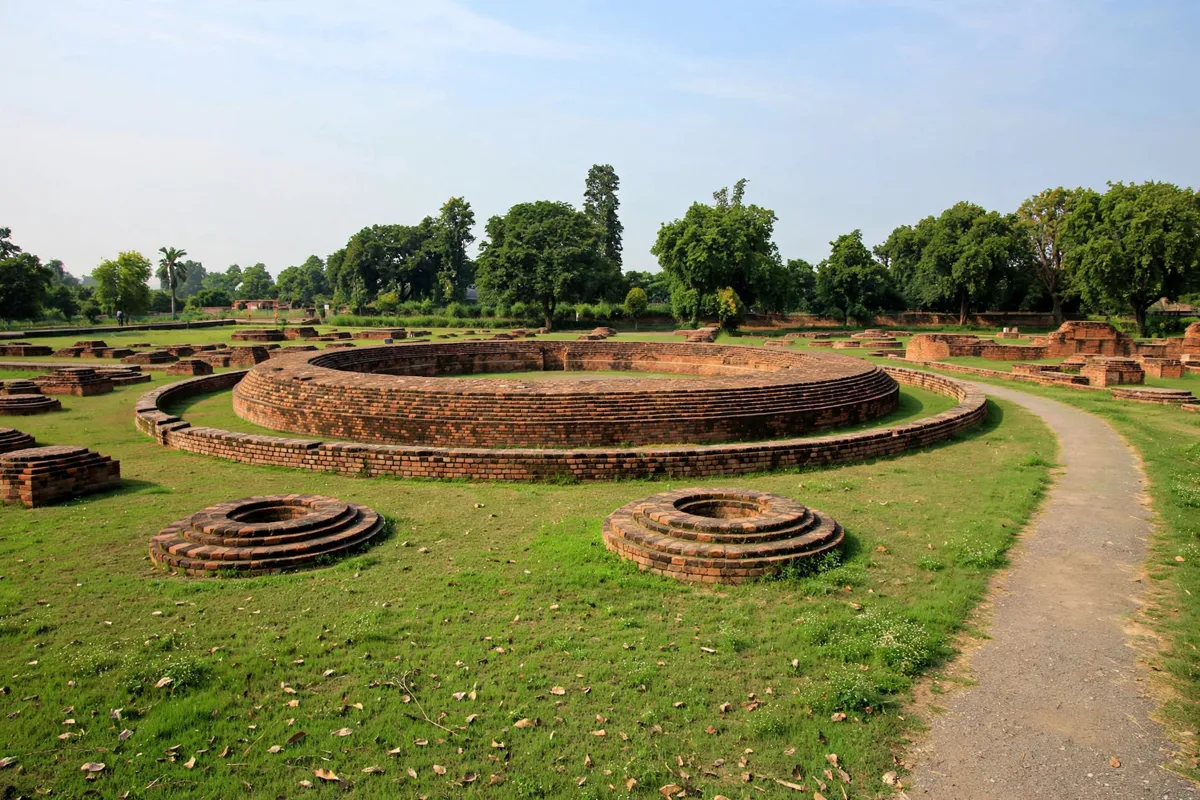
The archaeological grounds bring together stupas, temple remains and monastery ruins from Sarnath’s long Buddhist history. The Dhamekh Stupa and Chaukhandi Stupa are among the notable structures, alongside brick temple remains representing the Mula-Gandha Kuti and the remains of monasteries.
Ashoka built the Dharmarajika Stupa and erected a nearby pillar topped by the four-lion capital. The capital is now among the key objects associated with Sarnath’s archaeological record.
What can you see at Sarnath Museum?
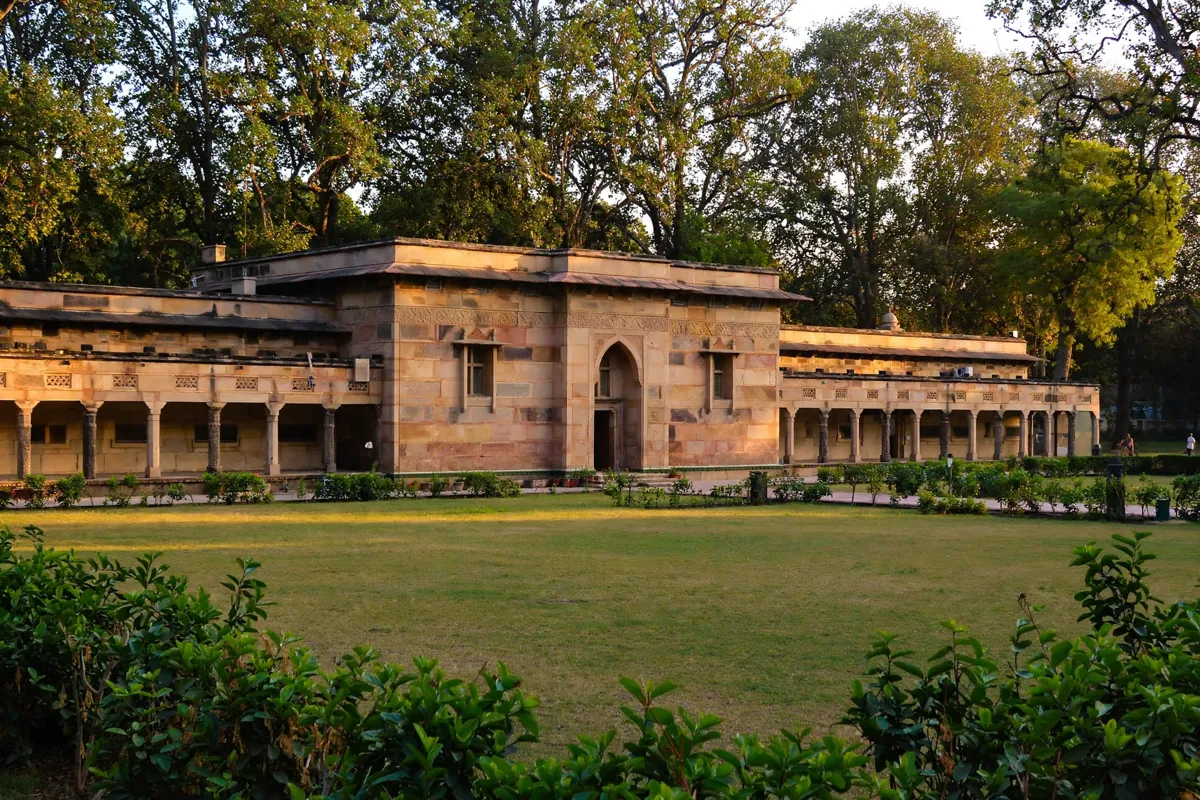
Sarnath Museum brings together sculpture and archaeological objects from the site, including the Ashokan Pillar capital, Buddha and Bodhisattva sculptures, inscribed slabs and pottery. Its collections also include a Gold Gallery.
Established in 1910, the museum is an archaeological museum owned by the state government. You can pair it with the outdoor remains to see both the excavated setting and objects recovered from Sarnath.
Which Buddhist temples and monasteries can you visit in Sarnath?
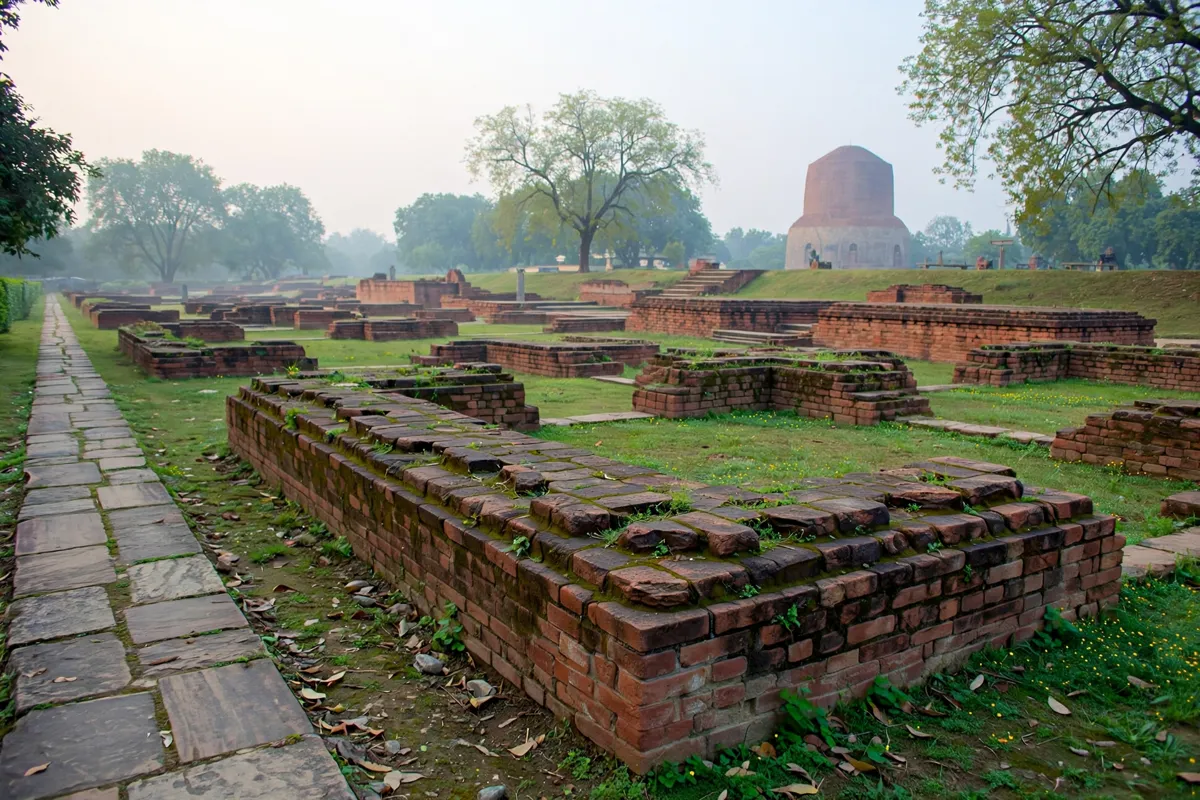
Sarnath’s Buddhist character extends beyond the excavated remains to temple and monastery sites. The district’s notable structures include the remains of monasteries as well as the brick temple remains representing the Mula-Gandha Kuti.
Keep the archaeological grounds and museum central to your plan, then add temple and monastery visits according to the time you have. The Varanasi ghats walking guide covers a contrasting part of the city, with Dashashwamedh, Assi and Manikarnika among its subjects.
What are the Sarnath ticket and visitor-access rules?
Archaeological-site admission prices depend on visitor category and payment method. For Indian, SAARC and BIMSTEC visitors, admission is ₹25 in cash or ₹20 by card or online; for foreign visitors, it is ₹300 in cash or ₹250 by card or online. The museum ticket is ₹5.
Hours and fees can change, so check the official site before you go; consult the Archaeological Survey of India’s Sarnath Circle for site information.
Opening hours
- Monday to Thursday, Saturday and Sunday: 9:00–17:00
- Friday: closed
Last checked November 2026. Hours can change on holidays and for special events.
Facilities include drinking water, toilets, a baggage X-ray machine, a baby-care room, a publication counter and a cafeteria. Keep your admission-ticket counterfoil until your visit ends. Rules prohibit scribbling on monuments, spitting, smoking and flash photography.
How do you get from Varanasi to Sarnath?
Sarnath is about 10 km from Varanasi, and local transport options include taxis, e-rickshaws, cycle rickshaws and three-wheelers. Private taxis can be arranged through travel agencies, hotels and online services.
From Hotel Premiere Villa, Sarnath is about 10.9 km away. The hotel offers rooms at Hotel Premiere Villa if you are planning your Varanasi visit around an outing to Sarnath.
FAQs
Why is Sarnath important to Buddhists?
Sarnath is where the Buddha preached his first sermon after enlightenment.
What are the main archaeological remains at Sarnath?
Notable remains include the Dhamekh and Chaukhandi stupas, the Dharmarajika Stupa, brick temple remains and monastery ruins.
Is Sarnath Museum open on Fridays?
Open Saturday to Thursday; closed Friday. No.
What facilities are available at the Sarnath archaeological site?
Facilities include drinking water, toilets, baggage X-ray, a baby-care room, a publication counter and a cafeteria.